
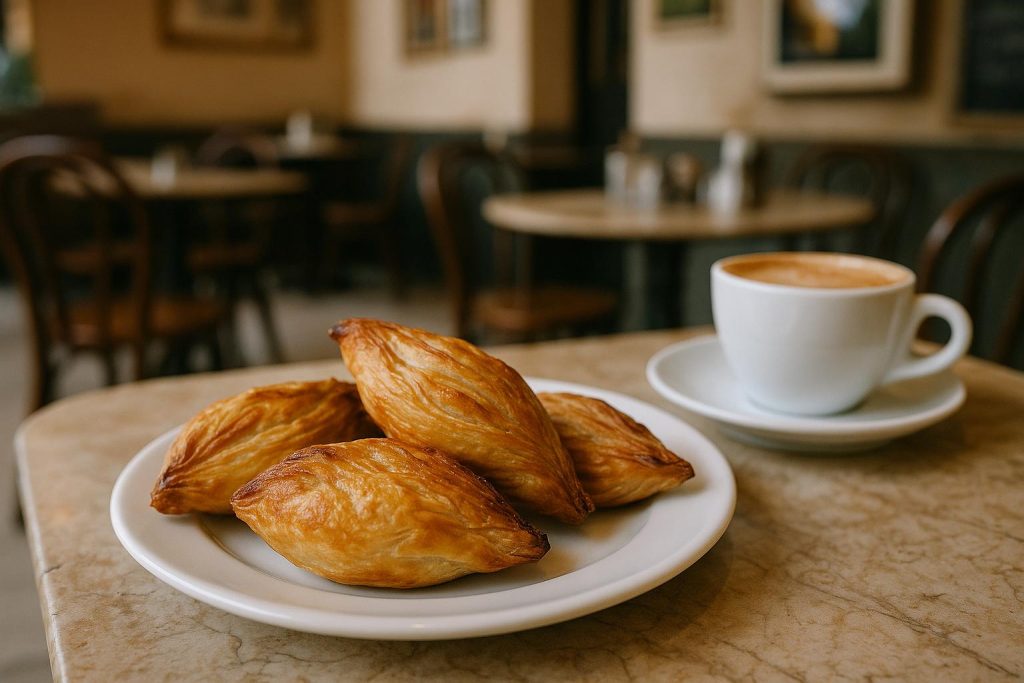
Understanding Pastizzi
Pastizzi is a cherished Maltese pastry, celebrated for its role as both a staple snack and an emblem of the island’s rich culinary heritage. Recognized for their flaky, crisp outer layers and savory fillings, these pastries have ingrained themselves deeply into the daily life of Malta. Whether enjoyed as a quick snack from a street vendor or a comforting treat in a local café, pastizzi’s omnipresence speaks volumes about its importance in Maltese culture and cuisine.
Ingredients and Variations
Pastry: At the heart of pastizzi is its distinguished pastry. This pastry is somewhat akin to puff pastry or phyllo dough, renowned for its delicate, flaky layers. The dough is crafted using flour, combined with water, and occasionally supplemented with a small amount of oil or butter. This combination is essential to achieve the light and airy texture that characterizes a well-made pastizzi. The process of preparing this dough requires skill and precision to ensure each pastizz offers the correct balance of flaky layers.
Fillings: A classic pastizz typically comes with one of two treasured fillings: ricotta or peas. The ricotta version contains a creamy center filled with smooth ricotta cheese, offering a rich and indulgent experience. On the other hand, pea pastizzi are filled with a slightly spiced pea mixture, providing a warm, hearty, and flavorful bite. These fillings represent the core of traditional pastizzi, but the innovative nature of Maltese cuisine has occasionally inspired creative variations. Some modern establishments experiment with new fillings, yet the timeless appeal of ricotta and pea remains predominant.
Where to Try Pastizzi
Embarking on a quest to find authentic pastizzi is an easy journey in Malta. These delightful pastries are available in virtually every corner, thanks to their popularity and cultural significance. Local cafés, bakeries, and street vendors proudly offer pastizzi, often at wallet-friendly prices. Sampling these from a local café is more than a culinary experience—it’s a cultural immersion. The pastizzi are frequently complemented by te fit-tazza, a distinctive Maltese tea served in a glass, enhancing the authenticity of the experience. This tea, with its unique taste, perfectly pairs with the savory flavors of pastizzi, making it a staple accompaniment.
Pastizzi in Maltese Culture
The humble pastizz transcends beyond being just food; it is a cultural icon in Malta. Its importance in Maltese society cannot be understated, as it embodies the essence of Maltese life—simple yet satisfying, comforting yet social. The convivial nature of pastizzi consumption reflects the Maltese approach to life, where simplicity and sociability are celebrated. Pastizzerias, the specialist shops advocating the art of pastizzi-making, serve as popular gathering spots for the Maltese. Here, locals congregate, engage in conversation, and foster community spirit, all while savoring delicious pastizzi. These spots are more than mere eateries; they are social hubs that strengthen community bonds.
Conclusion
For anyone visiting Malta, indulging in the local pastizzi is an absolute must. They are more than a mere snack; they offer an insightful glimpse into Malta’s culinary traditions and cultural values. Whether opting for the classic ricotta or the flavorsome pea variant, each pastizz provides a window into the rich tapestry of Maltese life. To further explore the diverse landscape of Maltese cuisine—beyond these charming pastries—consider delving into additional resources available on Malta’s gastronomic offerings. These resources can guide you through the traditional and contemporary influences that shape Maltese gastronomy, offering a deeper understanding and appreciation of this vibrant culture.