Birgu (Vittoriosa)

Introduction to Birgu (Vittoriosa)

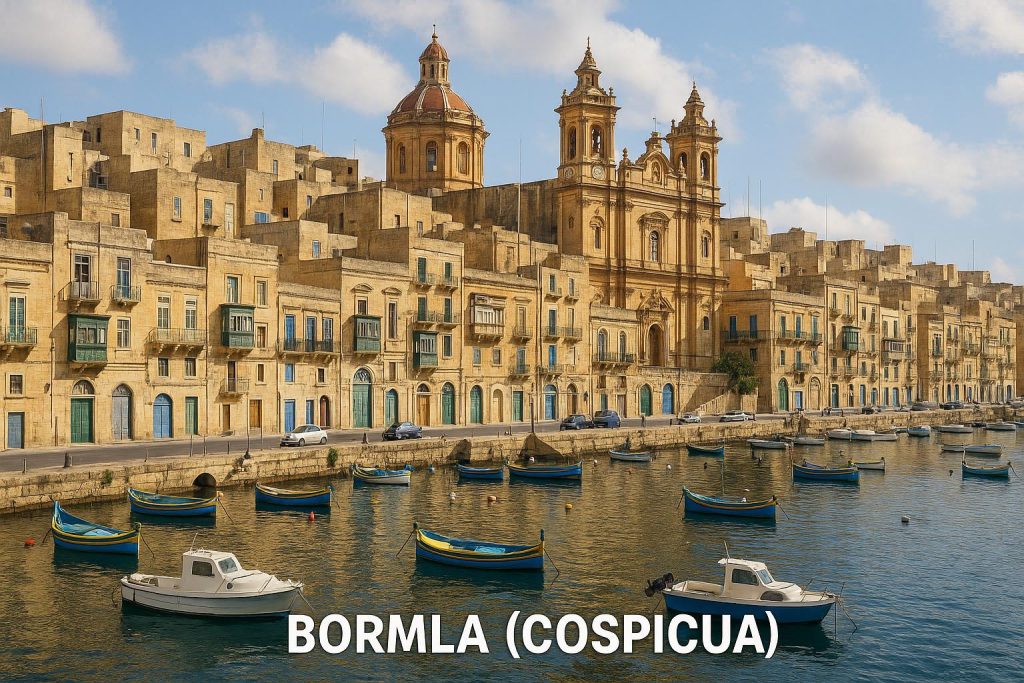
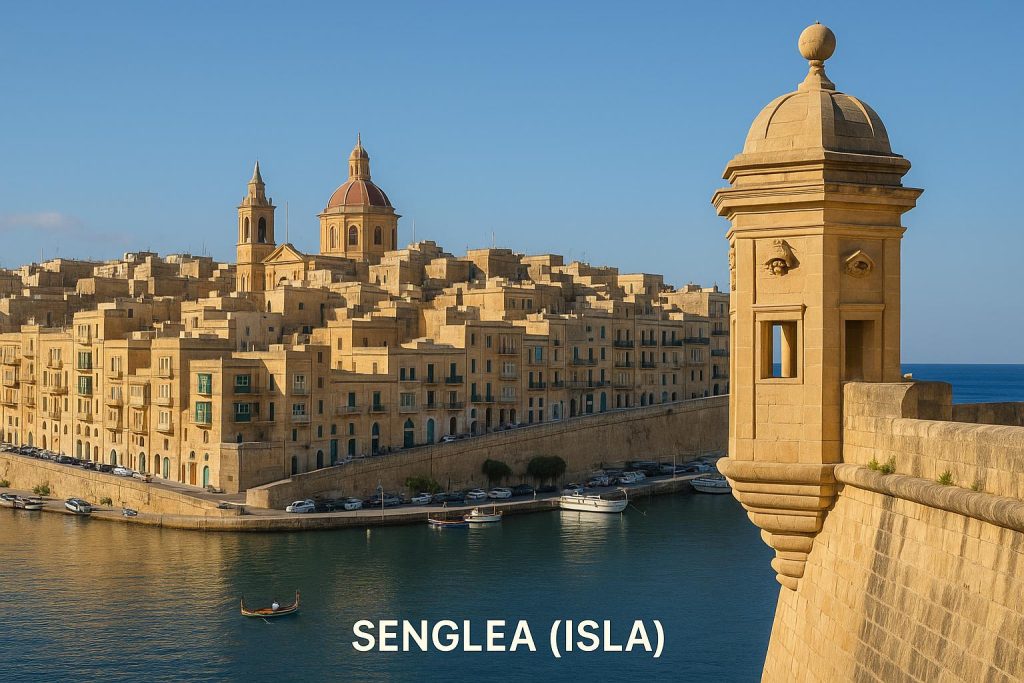
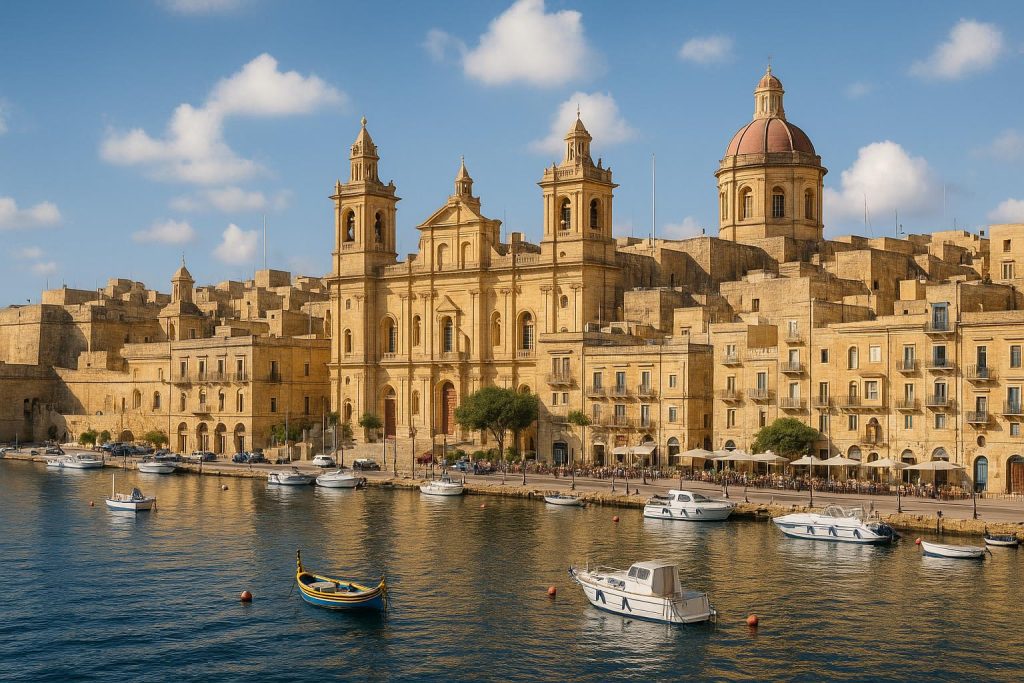
Birgu, also referred to as Vittoriosa, is an intriguing part of the archipelago nation of Malta, situated prominently in the southeastern region of the island. It’s distinctively one of the renowned Three Cities, hallmarking the deep and rich history that has permeated this area well into the modern era. Walking through Birgu is akin to stepping back in time, as the city’s roots stretch as far back as the Middle Ages. Over the dynasties and centuries, Birgu has stood resilient and prominent, a silent witness to the cultural influences and shifts brought forth by some of the world’s most storied civilizations. These civilizations include the enterprising Phoenicians, the mighty Romans, and the legendary Knights of St. John, each leaving an indelible mark on the city’s architectural and cultural fabric.

Historical Significance

The strategic significance of Birgu cannot be overstated, particularly during one of the most cavalier episodes in Maltese history—the Great Siege of Malta in 1565. This was a year fraught with peril as the formidable Ottoman Empire rigorously attempted to conquer the island. In a stunning turn of events, the defenders showcased remarkable resilience and fortitude, leading to an iconic victory that resonated throughout Europe. In honor of this audacious defense and eventual triumph against the odds, Birgu was fittingly renamed Vittoriosa, a term evocative of victory. Its position overlooking the Grand Harbour endowed it with strategic military advantages, making it the original seat of the sovereign Military Order of the Knights of St. John before Valletta was commissioned as the capital.

Main Attractions

Visitors to Birgu are met with a remarkable palette of landmarks, offering a deep dive into the region’s storied past. A notable highlight is Fort St. Angelo, which majestically rises against the horizon, embodying the military prowess and architectural ingenuity of its era. Over time, the fortification evolved through several roles: from a formidable castle in antiquity to a vital fortification under the auspices of the Knights of St. John. Presently, it stands as a bastion of education and exploration, inviting the public to navigate through its corridors and gateways, unraveling the mysteries of its storied history.

Adjacent to this, the Inquisitor’s Palace emerges as a focal point of interest, offering a unique look into ecclesiastical and judicial history. It is among the surviving examples of inquisitors’ palaces throughout Europe, now serving as a museum that diligently captures and presents the narrative surrounding the Inquisition within Malta, complete with exhibitions focused on areas such as justice and religious governance. Insightful and contemplative, it provides contextual depth into the multifaceted roles this site played historically.

Similarly, a visit to the Maritime Museum is a voyage into Malta’s naval heritage. The museum is strategically housed in the former British naval bakery, creating a harmonious blend of Malta’s colonial past and maritime legacy. It features extensive collections of maritime artifacts and exhibits, rendering a vivid portrayal of Malta’s storied tradition in seafaring and exploration imbued within its naval history.

Culture and Festivals

A heartbeat of cultural expression, Birgu is celebrated for its dynamic cultural calendar. Among the diverse array of cultural offerings, Birgufest stands out as an annual pinnacle of celebration. Every October, this festival unfurls with vibrancy, displaying a confluence of traditional Maltese music, culinary delights, and vibrant public performances. The evocative ‘Candle Night’ serves as the festival’s highlight—where street roads and pathways shimmer under the gentle, flickering glow of numerous candles, converting the city into a tableau of whimsy and enchantment, drawing both local denizens and foreign visitors into its unassuming charm and convivial spirit.

Local Cuisine

The culinary scenes in Birgu are a palate-pleasing combination of traditional Maltese flavors and recipes. As visitors explore the old streets and scenic passages, they are warmly invited to sample the hearty Maltese cuisine. Gastronomic landmarks include rabbit stew (fenek), a traditional Maltese dish brimming with flavor, and pastizzi, iconic pastries that are delicately crafted with fillings such as ricotta or peas. The culinary experience is further elevated along the charming waterfront area, where visitors are afforded the opportunity to dine with enchanting views of the marina, soaking in the vibrant atmosphere coupled with the delightful aroma of Maltese dishes.

Access and Transportation

Reaching Birgu presents itself as an accessible endeavor with several transportation options available. From the historic cityscape of Valletta, ferry services provide a scenic path over the enchanting waters of the Grand Harbour, a journey cherished for its picturesque views that captivate the beholder’s senses. Alternatively, buses offer a more direct transportation route into the heart of Birgu. Upon reaching Birgu, exploration becomes a pleasurable walk, as most landmarks and attractions reside comfortably within walking distance, allowing for an intimate journey through its historic streets and viewpoints.

In conclusion, the city of Birgu, or Vittoriosa, mystifies and compels with its rich tableau of history, culture, and tradition. Steeped in illustrious heritage, with its well-preserved architecture and vibrant cultural celebrations, Birgu resides as an indispensable chapter in Malta’s historical narrative. As one gazes upon its ancient walls and bustling promenades, they are treated to a profound intersection of past and present, where the whispers of history continue to serve as a faithful companion in the exploration of Malta’s distinguished and colorful past.

Marsaxlokk Fishing Village

Introduction to Marsaxlokk Fishing Village

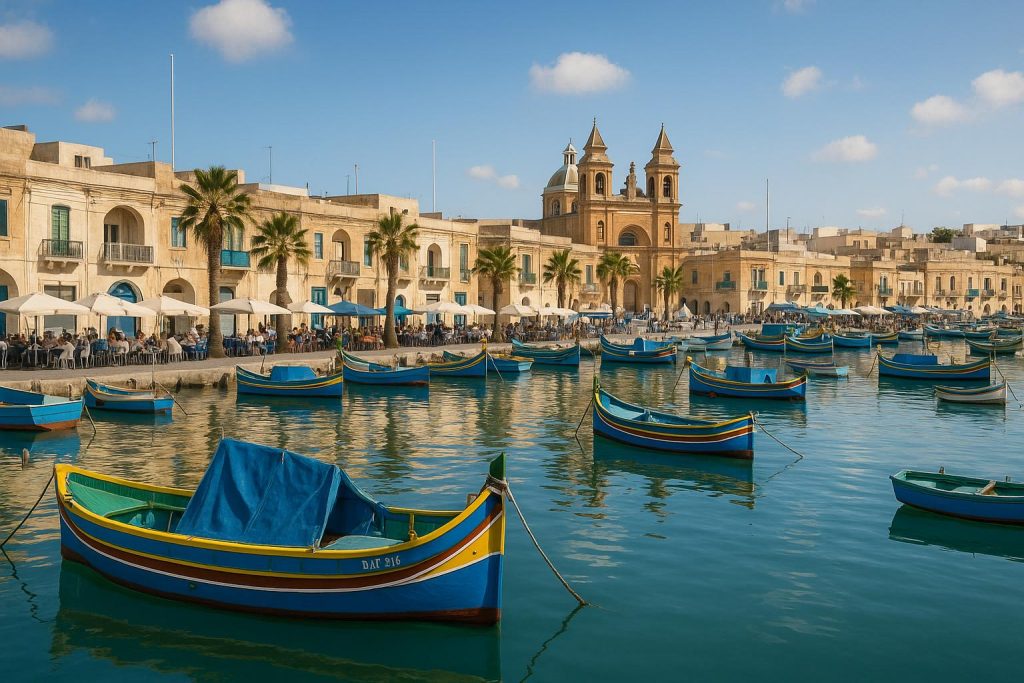
Marsaxlokk is a picturesque fishing village located in the southeastern part of Malta. Renowned for its vibrant and colorful traditional fishing boats known as luzzus, this village offers a unique glimpse into Malta’s rich maritime heritage. The village is a popular destination for both tourists and locals who are keen to experience an authentic aspect of Maltese culture.

The History of Marsaxlokk

Marsaxlokk has a longstanding history dating back to the 9th century BC during the time of the Phoenicians who established a trading port in the area. Over the centuries, the village has witnessed significant historical events, including invasions by various empires. Its strategic location made it a vital harbor, leading to its development as a central hub for fishing and trade.

Traditionally, Marsaxlokk’s geographical location on the southeastern coast of Malta made it an essential place for maritime activities. Phoenicians, who were renowned seafarers, chose this location for their trade routes, setting the stage for a long-lasting relationship between the village and the sea. Throughout history, Marsaxlokk has served as both a line of defense and a strategic point for various naval powers, making it a pivotal location for maritime passages in the Mediterranean region.

The influence of the diverse cultures that passed through Marsaxlokk over centuries is still evident today, from the architectural styles to the cultural practices observed in the community. Subsequent inhabitants such as the Romans, Byzantines, and Arabs further contributed to the development of Marsaxlokk, each leaving their mark on the village’s cultural tapestry.

Traditional Fishing Practices

The village of Marsaxlokk is synonymous with its fishing heritage. Fishermen in this village have long employed traditional methods to catch fish, which remain integral to the local economy. The luzzus, traditional Maltese fishing boats, are not only a testament to the craftsmanship but also a cultural emblem for the people of Marsaxlokk.

A striking feature of these boats is the eye painted on their bows. Referred to as the “Eye of Horus” or the “Eye of Osiris,” this symbol is believed to offer protection and good health to those at sea. This tradition has been passed down through generations, illustrating the blend of superstition and practical seamanship that characterizes Maltese maritime culture.

Fishing methods used in Marsaxlokk include a combination of netting and traditional trapping techniques that have been refined over the years. Seasonal variations affect the types of fish available, with lampuki, a type of dorado, being a significant catch in August and November as they migrate past Malta. These techniques are deeply ingrained in the local community, with fathers teaching sons and daughters the skills needed to thrive in this age-old profession.

The Marsaxlokk Market

One of the main attractions in Marsaxlokk is its bustling market, held every Sunday. The market offers a wide variety of fresh seafood directly from the bay, making it a prime location for those eager to sample local specialties. Apart from seafood, visitors can find a range of products including crafts, fruits, and traditional Maltese delicacies.

The market serves as a pivotal social and economic activity within Marsaxlokk. It is not only a venue for commerce but also a gathering place where locals and visitors mingle, sharing stories and experiences as they enjoy the vibrant ambiance. For those interested in observing the catch of the day being brought in, arriving early offers the best chance to see the local fishermen unload their bounty, ready to be sold at the market.

Beyond seafood, the market also offers visitors an array of local crafts, from handmade lace and knitwear to pottery and souvenirs bearing traditional Maltese designs. For more information on visiting the market, check out the official tourism website of Malta.

Marsaxlokk Today

Today, Marsaxlokk combines its traditional charm with modern attractions. While the village remains primarily a fishing hub, it has also embraced tourism. Visitors can explore its scenic waterfront lined with cafes and restaurants offering local cuisine.

Marsaxlokk’s transition into a tourist destination has been smooth, allowing the village to retain its core identity while providing amenities and attractions that cater to international visitors. The presence of seafood restaurants along the waterfront showcases the daily catches, allowing diners to experience fresh, locally sourced meals.

In addition to culinary delights, Marsaxlokk also offers easy access to natural attractions such as St. Peter’s Pool. This popular swimming spot is celebrated for its crystal-clear waters and stunning natural rock formations. The area is ideal for swimming and sunbathing, featuring a serene ambiance that complements the vibrant life of the village center.

Exploring Marsaxlokk entails not only enjoying the local scenery and cuisine but also stepping into a community where the past and present coexist harmoniously. The village serves as a significant reminder of Malta’s deep-rooted connection with the sea, showcasing a village where both history and tradition blend seamlessly with the present. Visitors to Marsaxlokk can expect to find a rich tapestry of culture, tradition, and natural beauty, all waiting to be discovered in this enchanting village.

In conclusion, Marsaxlokk stands out as a quintessential maritime village, offering a unique slice of Maltese life. From its ancient roots to its modern attractions, it tells the story of a community that has thrived through adaptability and resilience. Whether drawn by the allure of its colorful luzzus, the vibrant market, or the tranquil beauty of its surroundings, those who visit Marsaxlokk are certain to leave with lasting memories and a deeper appreciation for Malta’s maritime heritage.