Carnival in Valletta and Nadur (Gozo)

Carnival in Valletta

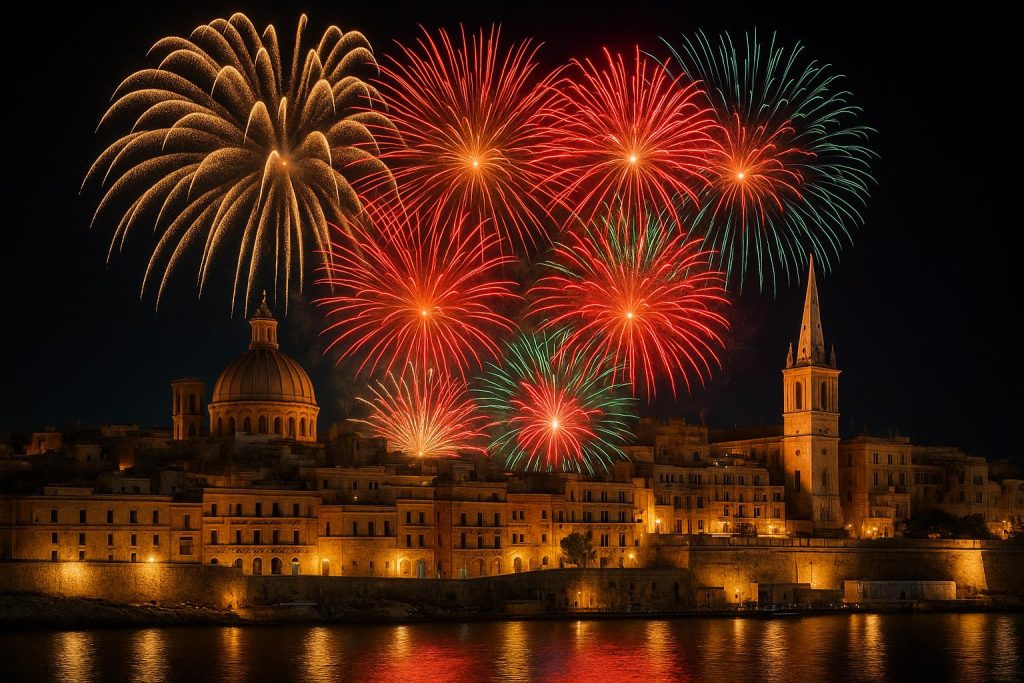
The Carnival in Valletta stands as a testament to Malta’s enduring cultural heritage, capturing the essence of Maltese festivities since the 16th century. Held five days before Ash Wednesday, this vibrant event not only marks the beginning of Lent but also serves as a celebration of the island’s rich cultural tapestry. This historic celebration continues to be a pivotal aspect of Maltese culture, drawing locals and tourists alike to partake in its splendor.

Historical Overview

The origins of the Carnival in Valletta date back to the time of the Knights of the Order of St. John, who ruled Malta during that era. Originally conceived as a series of elaborate balls and activities exclusive to the upper classes, it was a privilege and a grand event of the social calendar. However, as time elapsed, it evolved, becoming more inclusive and transforming into a celebration adored by all social strata. Intrinsically linked to Maltese history, the Carnival has retained its importance as a vivid expression of Malta’s cultural heritage.

Main Activities

Renowned for its colorful, exuberant costumes, majestic floats, and elaborate parades, the Carnival in Valletta is an explosion of creativity and joy. The streets of Valletta brim with enthusiasm, as people don intricate masks and extravagant outfits, creating a vibrant sea of colors and shapes. Offering a stunning backdrop, the Grand Harbour hosts a variety of music and dance performances, infusing energy and life into the already festive atmosphere.

The pinnacle of the Carnival festivities is undeniably the grand parade or defile, which takes place on the main streets of Valletta. This spectacle features floats that are marvels of design, showcasing the astounding creativity and workmanship of local artisans. These artisans compete against each other, with prizes awarded for the most spectacular designs. The costumes during these parades are equally impressive, often drawing inspiration from historical and contemporary themes, and are a testament to Maltese craftsmanship and imagination.

Culinary Delights

As with any celebration, the Carnival in Valletta is incomplete without its culinary traditions. Integral to the carnival experience is the indulgence in traditional Maltese sweets. Among the delights available, prinjolata holds a special place in the hearts of many. This decadent dessert, a symphony of almonds, nuts, and meringue, is a treat that encapsulates the festive spirit. These, along with other local pastries, create a gustatory experience that is as much a part of the celebration as the dances and parades themselves, offering a taste of Maltese tradition to both locals and visitors.

Carnival in Nadur, Gozo

In stark contrast to the elaborately organized celebrations in Valletta, the Carnival in Nadur, located in Gozo, offers a distinctly different experience. Often referred to as “Nadur’s spontaneous Carnival,” this event captures the essence of improvisation and draws those who seek a more unique and uninhibited kind of celebration.

The Nature of Nadur Carnival

One of the most defining aspects of the Nadur Carnival is its lack of formal organization and detailed scheduling. It is a celebration characterized by freedom and spontaneity; participants flock to the streets clad in costumes that range from the satirical to the humorous. The atmosphere is filled with satire and jest, as mock props and exaggerated attire play a central role in the proceedings, creating a lively yet unpredictable carnival experience.

A Unique Experience

The Nadur Carnival stands apart with its adult-oriented atmosphere, straying slightly into the realm of the risqué. While the Valletta Carnival is more family-friendly and traditional, the Nadur version seduces its audience with a bold sense of humor that makes for an unforgettable experience. Revelers gather in Gozo from early evening, and the celebrations continue well into the night. This small town’s ability to host a large crowd without losing its quaint charm is remarkable and contributes to the carnival’s unique allure.

The free-spirited nature of the Nadur Carnival offers participants the chance to express themselves without restriction, showcasing their creativity through costumes that defy convention. This is an aspect that continues to draw in visitors year after year, making the Nadur Carnival a bucket-list event for many.

Engaging with the Local Culture

The carnival-goers in Nadur not only savor the unique atmosphere but also have the opportunity to indulge in Gozitan culinary delights. Numerous local restaurants and food stalls gear up for this busy period, offering a range of traditional Maltese foods to cater to the influx of visitors. The carnival serves as a platform to showcase the region’s gastronomic offerings, essentially providing a feast for the senses.

While the event lacks a formal structure, the community spirit remains robust, with locals and businesses working together to ensure the success of this beloved celebration. The culinary experience, combined with the spontaneous nature of the carnival, provides an unparalleled opportunity to immerse oneself in the vibrant culture of Gozo.

Further Information

If you’re planning to visit and want to learn more about the specific activities, routes, and other pertinent details of these carnivals, it is beneficial to refer to the official Visit Malta tourism website. Here, you will find comprehensive information to aid in the planning of your visit, ensuring you make the most of these spectacular Maltese events.

Village festas (religious feasts)

Introduction to Village Festas

Village festas, commonly referred to as religious feasts, hold a prominent position in the cultural and religious tapestry of numerous communities globally. These celebrations are typically organized in honor of a patron saint or to mark a specific religious event. Despite the variations in their specifics, largely influenced by regional and religious differences, these celebrations possess certain common characteristics.

Historical Background

The roots of village festas extend back to ancient times. Historically, communities would congregate to honor deities, celebrate seasonal transitions, or strengthen social ties. As Christianity and other major faiths spread, these gatherings gradually evolved into religious feasts. This evolution was marked by the integration of local customs with religious practices, resulting in unique celebrations that echo both religious faith and cultural heritage.

Common Features of Village Festas

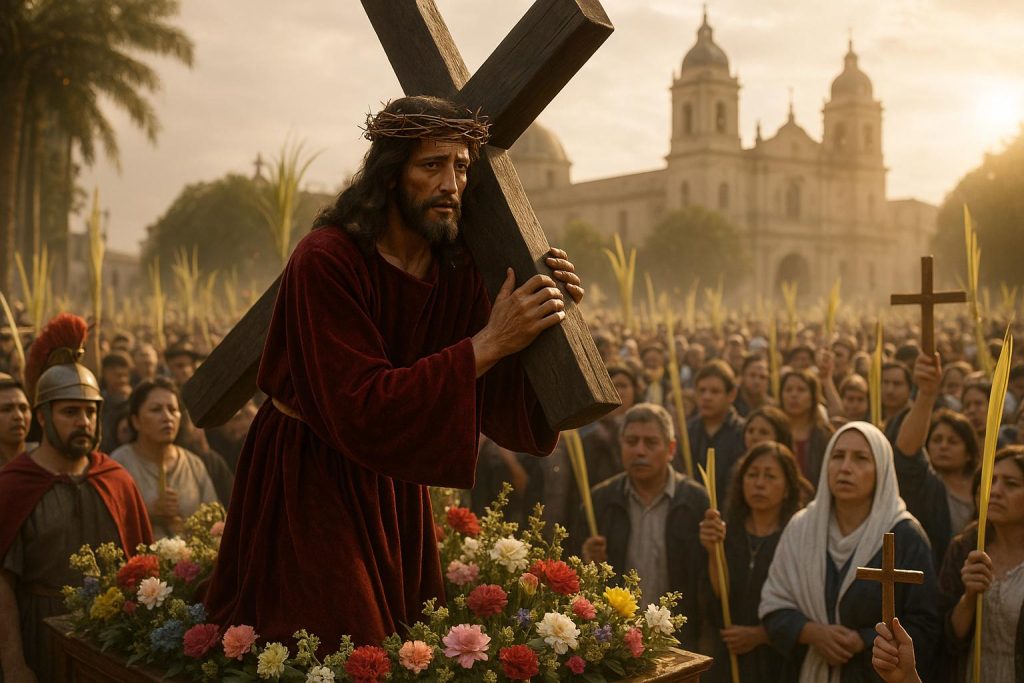
Village festas are typically comprised of religious ceremonies, cultural performances, and social gatherings. The Religious Component: Most festas begin with a Mass or equivalent ceremony at the local church, which is often succeeded by a procession through the village. These processions frequently entail the carrying of statues of the patron saint or religious icons, creating a spiritual continuity that binds the community.

The Cultural Component: Various activities such as music, dance, and local traditions distinct to the area are integral to these celebrations. They offer the community a platform to showcase its cultural identity, promoting unity among families, friends, and neighbors. This blend of tradition and cultural expression enriches the community’s heritage.

The Social Component: Common social aspects of the festa may involve communal meals, markets, or fairs that draw locals and visitors alike. The sharing of food and entertainment fosters camaraderie, reinforcing community bonds. Additionally, these gatherings often serve as an economic stimulus, supporting local businesses and the local economy as a whole.

Global Variations

While the core structure of village festas remains consistent worldwide, their specifics can significantly differ.

In Italy: The festa dei santi, or feast of the saints, typically involves extensive community-wide festivities focused on the feast days of patron saints. These festas are characterized by their solemn processions and community gatherings.

In Spain: The festas are often illuminated by vibrant processions and parades, bringing together elaborate costumes, music, and dance, thereby transforming the streets into a lively celebration of religious history.

In India: Here, significant religious festivals such as Diwali or Holi are sometimes localized into smaller community festas. These local versions blend religious rituals with local customs, presenting a colorful mosaic of community reverence and cultural vibrancy.

Latin American Communities: In some countries in Latin America, the festas portray a unique blend of indigenous traditions with Christian elements, creating a rich tapestry of cultural heritage and religious observance.

Significance and Impact

The influence of village festas extends deeply into the social, cultural, and economic dimensions of communities. On a social level, they reinforce a community’s identity, radiating a sense of continuity of traditions that bridge generational gaps. The cultural component works as a platform for the preservation and transmission of local traditions, enhancing cultural awareness and identity.

Economically, these celebrations can be invigorating for local economies. By drawing in tourists and showcasing local products and crafts, village festas stimulate economic activity and growth. This influx not only supports local artisans and businesses but also enhances the overall economic resilience of the community.

The cultural exchange fostered by these events also carries substantial value. Village festas serve as a melting pot of diverse backgrounds, engaging participants in a cross-cultural dialogue that deepens understanding and appreciation of different customs and practices.

Conclusively, village festas present a dynamic fusion of the sacred and the communal, offering a unique avenue for cultural preservation and religious observance. The vibrancy of these celebrations nurtures a strong sense of community belonging and cultural pride, making them indispensable elements of cultural and religious landscapes worldwide.

For those interested in exploring more about village festas around the world, conducting research into local customs in regions known for these vibrant celebrations can provide deeper insight and appreciation.

Isle of MTV Malta

Overview of Isle of MTV Malta

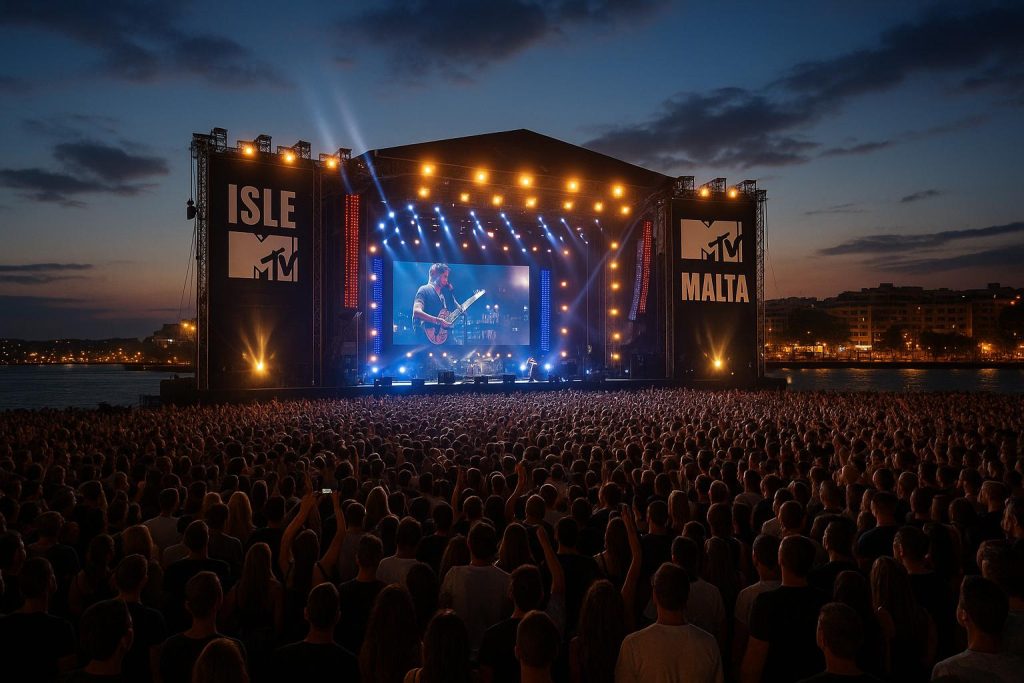
The Isle of MTV Malta represents one of the most significant annual music festivals held on the island of Malta. Organized collaboratively with MTV, it has rapidly become a staple in the islands’ cultural calendar. Drawing thousands, the festival brings together a diverse lineup of artists from all corners of the globe. Scheduled in the summer months, it offers both Maltese locals and international tourists the chance to experience an exceptional live music event.

Location and Setting

Situated in the picturesque Floriana’s Il-Fosos Square, the festival benefits from a unique setting. This historic square not only provides ample space for accommodating large audiences but also enriches the experience with its striking architectural surroundings. The natural charm of this area adds a different dimension, ensuring the festival is more than just about music.

Time of Year

The Isle of MTV Malta wisely aligns itself with the summer, taking full advantage of the pleasant weather and the benefit of extended daylight hours. Traditionally, the festival is slated for late June or early July. This period not only coincides with the height of Malta’s tourist season but also guarantees excellent weather conditions, ideal for an outdoor musical extravaganza.

Artists and Performances

A hallmark of the festival is its impressive line-up, bringing an array of international talent to the Maltese stage. Over the years, the Isle of MTV has seen an eclectic mix of musicians and bands, representing various genres such as pop, rock, and electronic music. This diversity ensures that the festival caters to a wide range of musical tastes, featuring combinations of world-renowned artists alongside emerging musicians, fulfilling the musical appetites of attendees.

Why Attend?

Attending the Isle of MTV Malta offers more than just a musical spectacle—it’s a unique fusion of music and Maltese culture. Attendees have the opportunity to witness world-class performances while indulging in the island’s rich historical offerings and vibrant nightlife. Remarkably, the event maintains a free entry policy, making it an appealing attraction for both locals and tourists alike. This accessibility sets it apart from other international music festivals, which often come with significant entry fees and expenses.

Broadcast and Reach

The influence of the Isle of MTV extends far beyond those who attend in person. Thanks to its collaboration with MTV, the festival is broadcast globally, offering audiences worldwide a glimpse into the event and a taste of Malta’s lively atmosphere. Such exposure not only enhances the festival’s global presence but also promotes Malta as a scenic and exciting destination, potentially boosting tourism.

Additional Resources

For further details regarding the festival, including current line-ups, schedules, and more, visitors can access the official Isle of MTV website. This resource provides valuable insights and the latest updates, assisting in the effective planning of a visit to this vibrant event.

Conclusion

The Isle of MTV Malta has evolved into more than just a music festival—it is a celebration of music, culture, and Maltese hospitality. By offering a platform where top-tier musical acts converge with the island’s historical and cultural background, it stands out as a unique event. Whether you’re a music enthusiast, a traveler looking to explore new cultural experiences, or someone seeking an unforgettable summer event, the Isle of MTV offers something for everyone. Looking ahead, the festival promises to continue its tradition of thrilling performances and enriching experiences, maintaining its status as a must-attend occasion on the global music festival calendar. With its ever-growing success and international acclaim, the Isle of MTV Malta remains a testament to the power of music in bringing people together from all walks of life into a singular, joyous celebration.

The Malta International Arts Festival

Overview of the Malta International Arts Festival

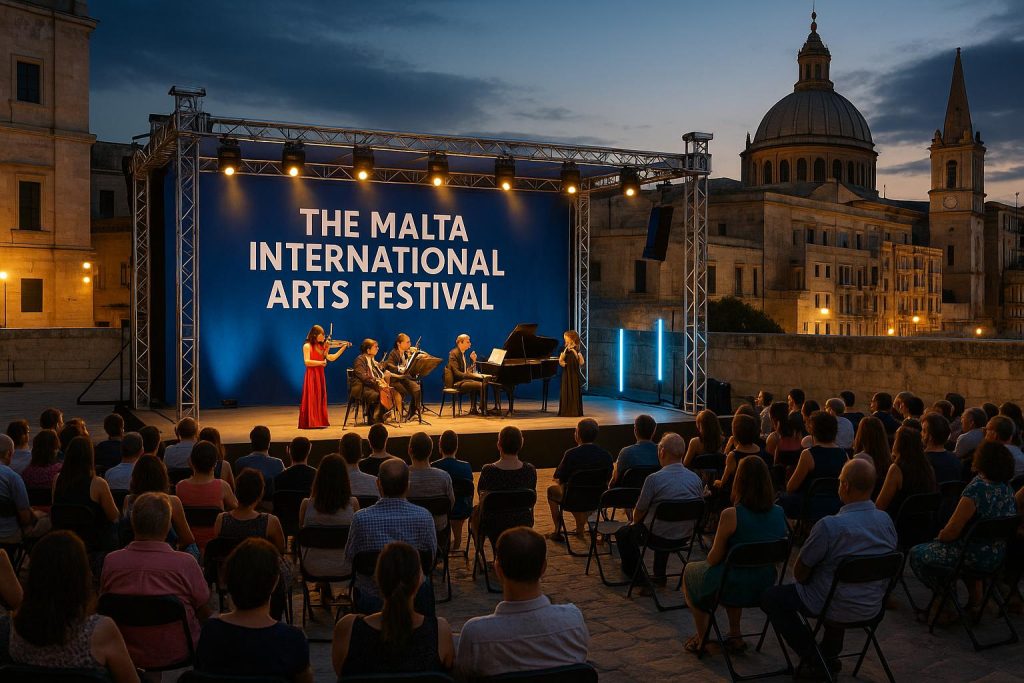
The Malta International Arts Festival is a prominent cultural event that takes place annually in Malta. This festival is a major highlight in the Maltese cultural calendar, showcasing a wide array of artistic disciplines and attracting artists and audiences from around the world.

History and Background

The inception of the Malta International Arts Festival dates back to 2005, the brainchild of Arts Council Malta. The festival’s core aim is to promote cultural exchanges while providing a platform for both local and international artists to showcase their work across various artistic domains. Over the years, it has expanded considerably, emerging as a significant cultural hub within the Mediterranean landscape. From a modest beginning, the festival has continually embraced diverse artistic expressions, thereby nurturing an environment that fosters creativity and innovation.

Event Programming

The festival spans several weeks during the summer months, often incorporating performances, workshops, and exhibitions. The programming is deliberately varied, offering a tapestry of artistic endeavors:

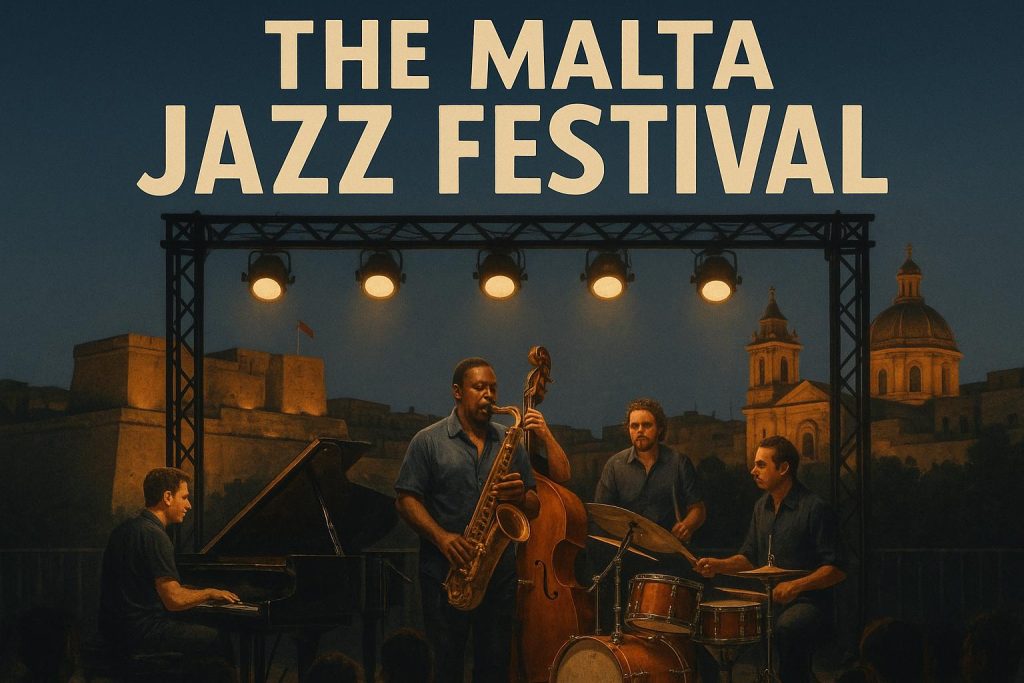
Music: Music forms a crucial part of the festival, featuring orchestral concerts, jazz sessions, and contemporary music performances. These musical events cater to diverse tastes and typically include contributions from both seasoned musicians and fresh talent.

Dance: Dance performances are another highlight, encompassing both modern and traditional styles. These performances display skillful choreography and often highlight the fluid blend of global and local dance traditions.

Theater: The theater program is equally dynamic, presenting a mix of classic and contemporary plays. Innovative theatrical techniques are frequently employed to bring fresh perspectives to traditional narratives, providing audiences with a rich theatrical experience.

Visual Arts: In the realm of visual arts, the festival showcases a wide array of works from local and international artists. This component serves as a visual feast, bringing color and form to the festival, and presenting art in ways that challenge and inspire.

Venues and Locations

The festival takes full advantage of Malta’s rich historical and architectural heritage, with events held at numerous iconic venues across the island. Among these, the Grand Harbour stands out as a unique site, offering a stunning backdrop that enriches the audience’s experience. In addition, the historic city of Valletta hosts many of the events, utilizing its cultural landmarks to provide a sophisticated and fitting ambiance for artistic performances and exhibitions. These venues play an integral role in the festival, as their distinctive settings add a unique charm that enhances the overall cultural and artistic expression.

International and Local Collaboration

At the core of the Malta International Arts Festival is an emphasis on collaboration between international artists and local talent. This collaboration is not merely about participation; it’s an active engagement fostering a melting pot of ideas and creativity. Encouraging cross-cultural dialogue, the festival becomes a fertile ground for innovation. The presence of international artists infuses the festival with diverse perspectives, while local artists gain exposure to global trends and techniques, thus enriching the overall offerings and expanding the festival’s reach globally.

Educational and Community Initiatives

The festival extends beyond performances alone, engaging actively in educational and community initiatives. Workshops, masterclasses, and interactive sessions are part of the festival’s engagement strategy, aimed at involving the community and fostering local talent. The festival’s educational programs aspire to inspire and educate not only participants but also the broader audience, offering insights into various artistic practices and techniques. By focusing on educational initiatives, the festival plays a pivotal role in nurturing the next generation of artists and art enthusiasts in Malta. These programs offer opportunities for hands-on learning and mentorship, encouraging participants to explore and develop their skills.

The Malta International Arts Festival has steadily grown into an essential component of Malta’s cultural landscape. Its comprehensive platform for artistic expression and international collaboration brings tremendous value to the island. It shines a spotlight on Malta’s cultural dialogue, fostering an artistic milieu that welcomes diversity while nurturing local talent. Each year, the festival draws attention not only for its artistic offerings but also for its commitment to creativity and cultural enrichment.

For those seeking more detailed information about the festival, including program schedules and ticket information, it is recommended to visit the official website. Here you can find comprehensive details that will enhance your understanding and appreciation of the festival’s offerings.

In conclusion, the Malta International Arts Festival is more than just a series of performances; it is a vital cultural institution in Malta. It bridges gaps between cultures and generations, reflecting the vibrancy and diversity inherent in the arts. By continuing to evolve and embrace new artistic frontiers, the festival maintains its role as a crucial contributor to Malta’s cultural dialogue and development, achieving an influence that extends far beyond the island’s shores. As such, its ongoing success and growth promise an exciting future for both participants and audiences alike.