
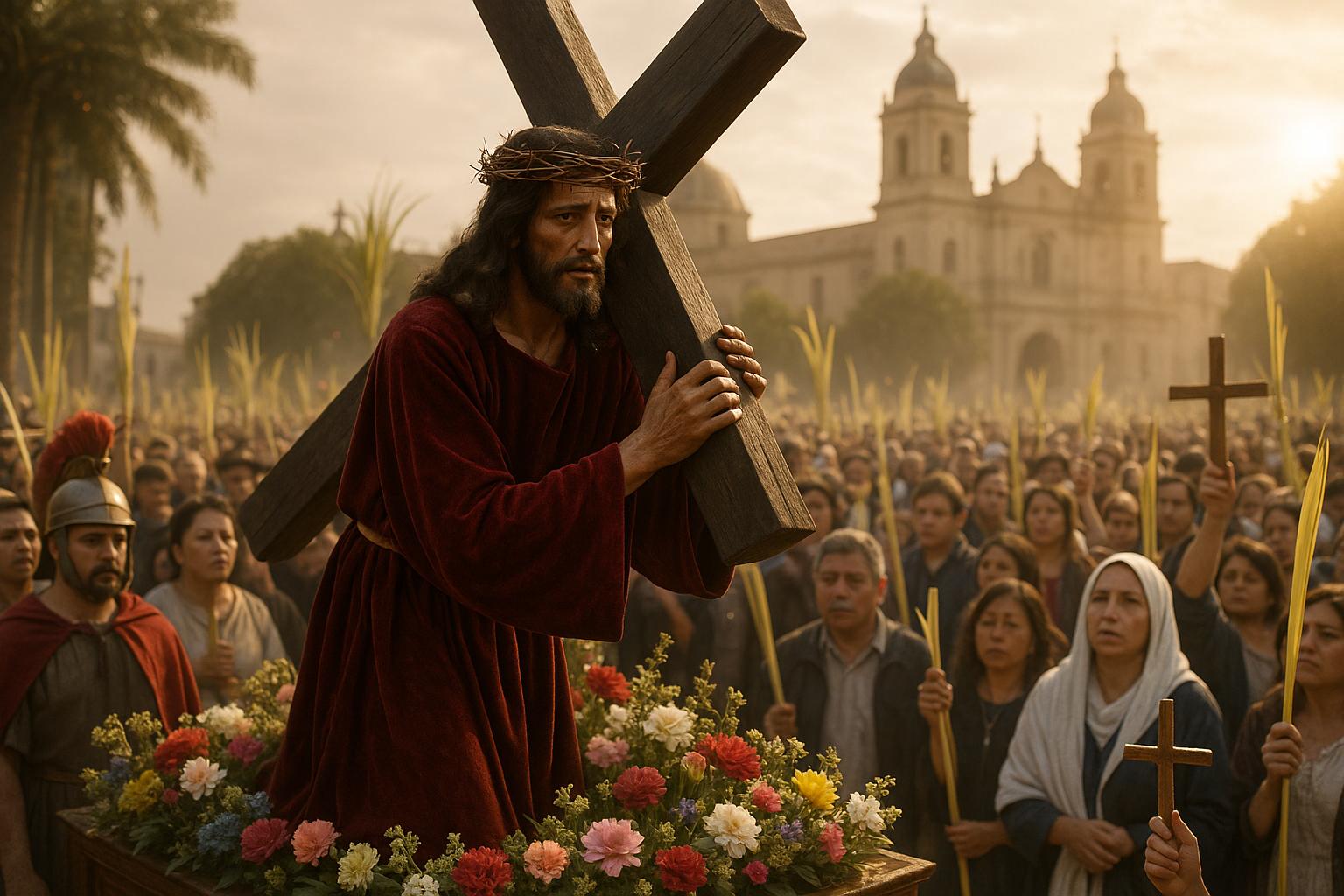
Overview of Holy Week and Easter
Holy Week and Easter hold immense importance within the Christian liturgical calendar. Celebrated by numerous denominations across the globe, this period signifies deeply rooted religious traditions. Holy Week represents the final phase of Lent and seamlessly transitions into Easter Sunday, a day traditionally commemorating the resurrection of Jesus Christ. This sacred time encompasses a series of solemn and festive events, each distinguished by unique traditions and profound significance.
Palm Sunday
Palm Sunday marks the commencement of Holy Week. It serves to commemorate Jesus’ triumphant entrance into Jerusalem, an event rich with symbolism and celebrated across diverse Christian communities. On this day, church services typically incorporate the distribution of palm leaves to congregants. These palm leaves symbolize the palms that were customarily laid down by the crowds as Jesus made his way into the city. Following the service, these palms, often blessed, are retained by the faithful, serving as religious symbols that are cherished throughout the ensuing year.
Maundy Thursday
Maundy Thursday, often referred to as Holy Thursday, is observed in remembrance of the Last Supper. This is the final meal Jesus shared with his disciples prior to his crucifixion. Churches frequently conduct a Communion service on this day, which replicates the poignant breaking of bread and sharing of wine that occurred during the Last Supper. In some religious traditions, Maundy Thursday is marked by a foot-washing ceremony. This act of humility and service mirrors Jesus’ gesture of washing the feet of his apostles, embodying a significant lesson of servitude and love.
Good Friday
Good Friday stands as a solemn day devoted to mourning and reflection. It is centered around the crucifixion and death of Jesus. During this somber observance, many Christians engage in fasting and make it a point to attend a service or procession that honors and remembers Christ’s ultimate sacrifice. The narrative of the Passion, drawn from the Gospels, is often read aloud, providing a profound reminder of the trials and tribulations faced by Jesus during his final hours.
Holy Saturday
Holy Saturday occupies a significant interval between Good Friday and Easter Sunday. Within Western Christianity, this day is characterized by anticipation and quiet reflection on Jesus’ entombment. Traditionally, churches conduct a late-night vigil service that seamlessly transitions into the joyous celebration of Easter Sunday. This vigil, rich in symbolism, signifies the triumph of light over darkness. In addition, Holy Saturday is when new members are typically baptized into the faith, marking a significant milestone in their spiritual journey.
Easter Sunday
Easter Sunday serves as the grand culmination of Holy Week, a day marked by celebration and joy surrounding Jesus’ resurrection. Widely regarded as one of Christianity’s most joyous occasions, Easter Sunday services often feature special hymns, the lighting of the Paschal candle, and the celebratory ringing of church bells. These elements are indicative of the joy and hope that Easter embodies for Christians around the world. In many cultures, the day is also synonymous with feasting and family gatherings, fostering an atmosphere of warmth and togetherness.
Local and Cultural Variations
The manner in which Holy Week and Easter are celebrated varies significantly across different cultures and regions, reflecting a diverse tapestry of Christian traditions. For instance, in countries like Spain and the Philippines, elaborate processions and reenactments of the Passion of Christ constitute integral components of the observance. These interactive expressions of faith allow participants to engage deeply with the narrative of Christ’s suffering and resurrection. Moreover, in Eastern Orthodox traditions, variations in the liturgical calendar can result in differing dates for Easter. This tradition encompasses unique customs, such as the cracking of red-dyed eggs, symbolizing new life and victory over death.
Exploring the myriad ways in which Holy Week and Easter are celebrated across the globe can provide one with a profound understanding of the rich, multifaceted traditions that Christianity embodies. Engaging with local churches or cultural organizations offers opportunities to immerse oneself in these diverse celebrations, gaining insight into the unique interpretations and practices that define Christian communities worldwide. Through this exploration, individuals can deepen their appreciation for the shared values that underpin the observance of Holy Week and Easter, fostering a greater sense of unity and understanding among people of faith.
For those interested in delving deeper into specific traditions or events associated with Holy Week and Easter, local churches or cultural organizations are invaluable resources. These entities can provide detailed insights into the liturgical practices and historical contexts that shape contemporary celebrations. While this period is undeniably marked by profound spiritual reflection, it also encourages communal engagement and the fostering of connections across cultural and denominational lines. Embracing these various aspects of Holy Week and Easter can enrich one’s understanding of the Christian faith and its enduring influence on communities around the world.