
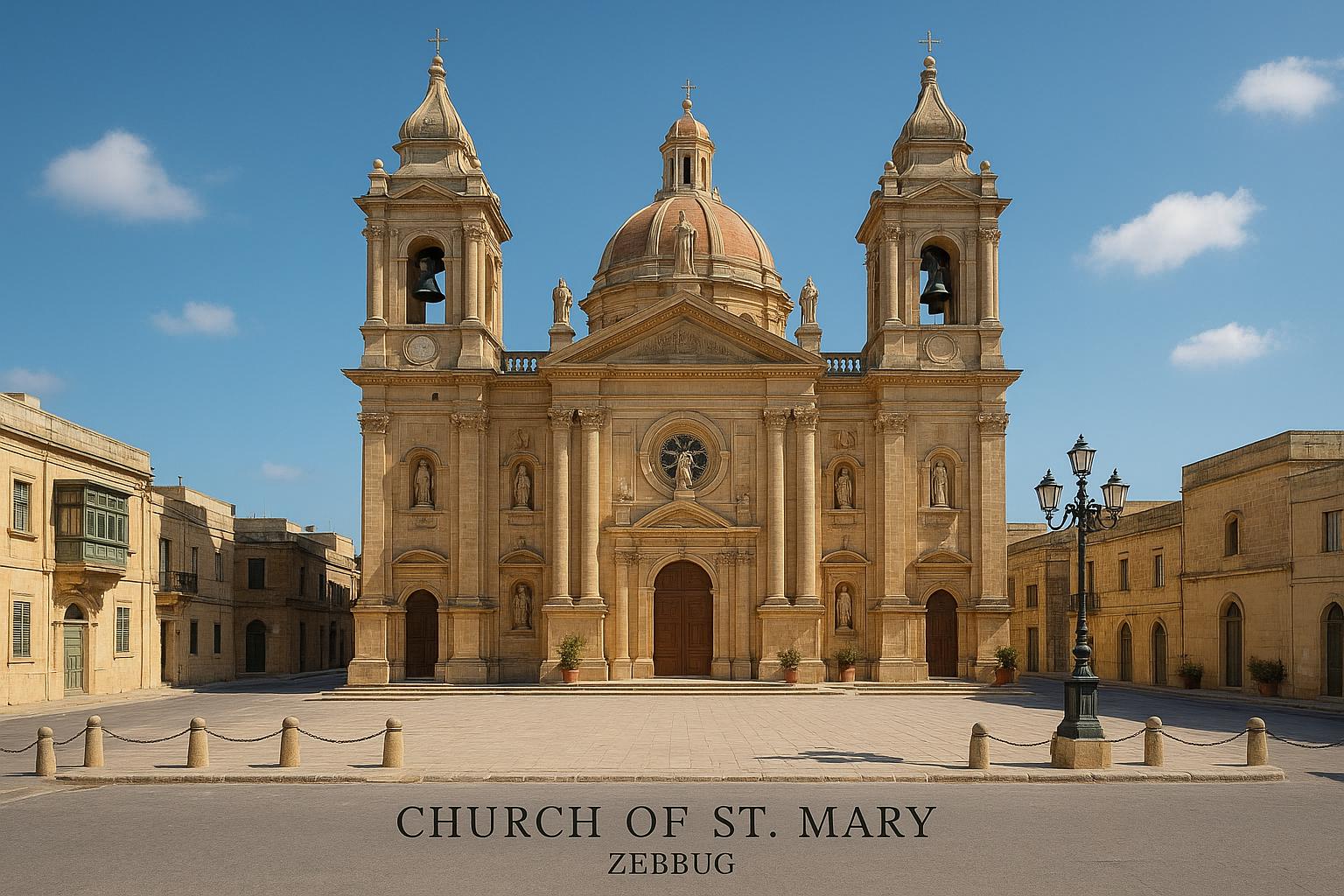
The Church of St. Mary, Żebbuġ: A Historical Overview
The Church of St. Mary, located in Żebbuġ, Malta, stands as a prominent religious structure imbued with significant historical value. This church is a remarkable example of the architectural and cultural heritage existing within the Maltese archipelago. Visitors from around the world come to appreciate its historical significance and intricate architectural features.
History and Architecture
The Church of St. Mary traces its origins back to the late medieval period, a time when Malta was significantly influenced by various cultures and powers due to its strategic location in the Mediterranean. Although the original construction began during this period, most of the structure visitors see today was established in the 17th century. This era saw the rise of the Baroque architectural style across Europe, which left a lasting imprint on many structures in Malta, including the Church of St. Mary.
The Baroque style is renowned for its dramatic use of architecture, art, and grandeur. This is vividly reflected in the church’s intricate façade, characterized by its decorative sculptures and painstakingly detailed carvings that captivate onlookers. The architects and artisans of the time dedicated extensive effort and skill to create a design that would stand the test of time and speak to the piety and artistic sensibilities of the period.
The façade of the Church of St. Mary is an example of balanced harmony between artistic expression and religious symbolism. It incorporates a variety of motifs and figures, blending artistic ambition with spiritual storytelling in a structurally cohesive manner. This makes the church not only a place of worship but also a gallery of history where each architectural element speaks volumes about the faith and artistic inspirations of the era.
Interior Highlights
Upon entering, visitors are immediately enveloped in an exquisite interior showcasing the essence of Baroque art. The opulence inside the Church of St. Mary is a testament to the craftsmanship of the artists who contributed to its creation. The church houses several notable works, ranging from paintings to sculptures, delivered by renowned artists of the period. These masterpiece artworks are pieces of history that each tell their own stories, often depicting religious themes intended to evoke contemplation and admiration.
The main altar is a focal point of the interior and represents the epitome of the Baroque style’s intricate and elaborate artistic beauty. This exceptional piece features fine marble work and elaborate gilding, elements that were meticulously crafted to inspire a sense of awe and reverence among worshippers. The altar serves as both a spiritual center and an artistic focal point, combining the sacredness of liturgy with the grandeur of Baroque art. The engaging environment created by these elements ensures that the spiritual experience is complemented by an appreciation of the historical context and the artistic achievements of the period.
The Bell Tower
The bell tower of the Church of St. Mary is a remarkable feature that serves as both a functional and symbolic element of the church’s architecture. Standing as a distinctive landmark in Żebbuġ, the tower holds a significant place in the town’s visual identity and history. Throughout centuries, bell towers have played pivotal roles within their communities, and the bell tower of the Church of St. Mary is no exception. It not only fulfills its role in calling the faithful to worship but also historically marked important events and gatherings. This use of sound in shaping the communal experience is a resonant tradition where the peal of bells signifies both celebration and solemnity.
Crafted with the same architectural attention as the rest of the building, the bell tower complements the architectural harmony of the church. Besides religious functions, bell towers have often been used in Mediterranean cultures as points of communication across landscapes, forming an audible link within regions that further cements the sense of community tied to such structures.
Community and Cultural Significance
Beyond its architectural and artistic achievements, the Church of St. Mary holds deep roots within the local community. It serves as a hub for religious activities, festivals, and ceremonies, enriching the cultural tapestry of Żebbuġ. The church actively organizes an array of events that highlight both the spiritual and cultural dimensions of the community, thereby fostering a profound sense of unity and continuity among residents.
Annual religious feasts and cultural gatherings centered on the Church of St. Mary draw participants from all over Malta and beyond, reflecting both the historical and contemporary vibrancy of Maltese culture. These events often incorporate traditional music, local culinary delights, and communal prayers, celebrating both faith and cultural identity simultaneously. This integration of the religious and cultural underscores the church’s ongoing role as a cornerstone of community life, preserving essential local traditions while adapting to contemporary settings.
In conclusion, the Church of St. Mary in Żebbuġ is not only a place of worship but also a significant cultural landmark in the Maltese landscape. It stands as a testament to Malta’s rich historical, spiritual, and artistic heritage, offering deep insights into the past while continuing to serve its local and visiting communities in various capacities. For those interested in exploring the depths of Maltese history and culture, a visit to this remarkable church is a journey through time and artistic achievement—a must-visit destination for anyone captivated by the story of Malta.
For more information, consider exploring other historical landmarks in Malta [here](#).