
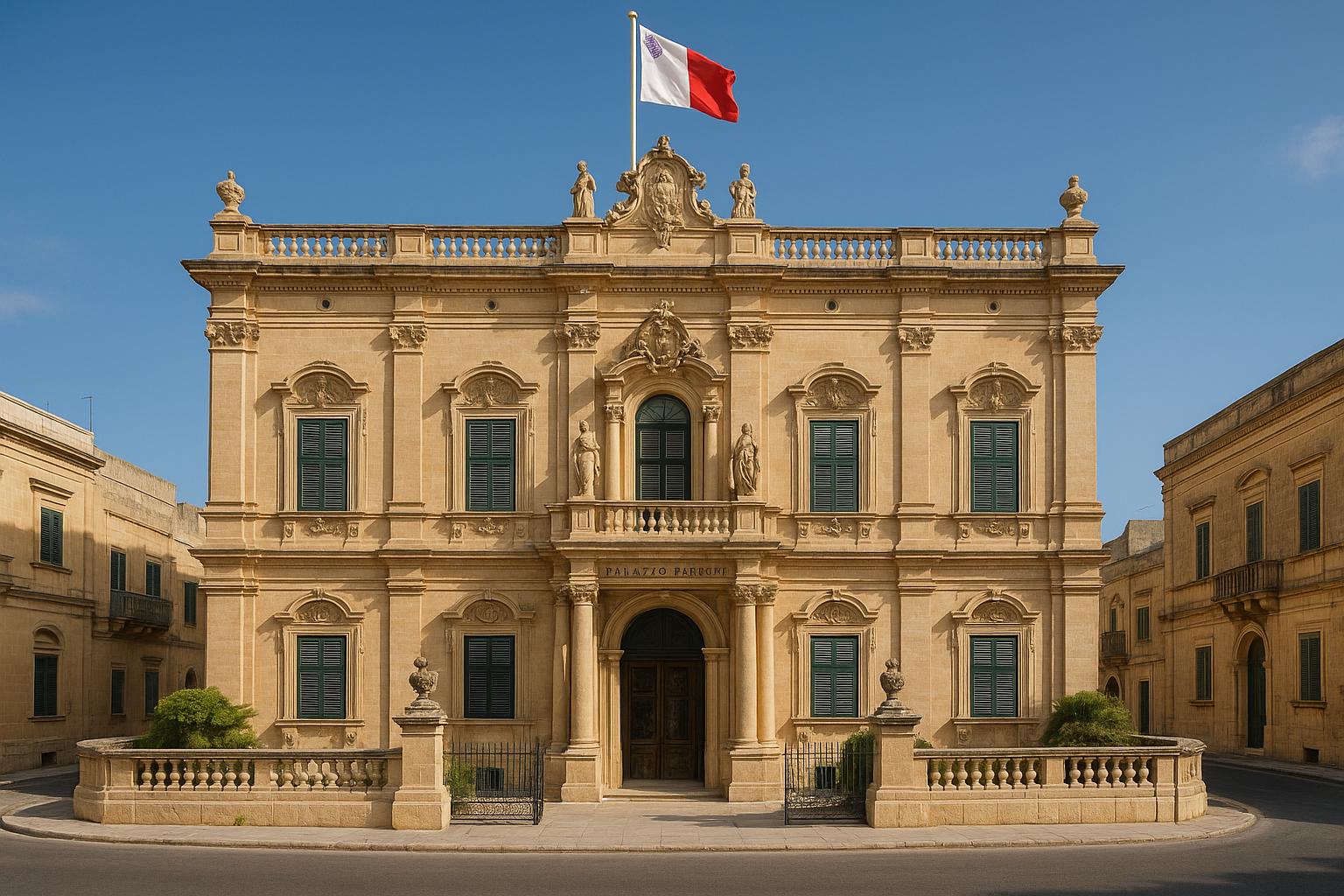
Naxxar: An Overview
Naxxar is a quaint town located in the Northern Region of Malta. Known for its historical significance and vibrant community, Naxxar is one of the oldest villages on the island. The town covers an area of approximately 11 square kilometers and is characterized by its traditional Maltese architecture and narrow, winding streets. It is situated near several other towns, including Mosta and St. Paul’s Bay, creating a confluence of history and culture that enriches the entire region.
Historical Significance
The roots of Naxxar run deep into the history of Malta, with an existence traced back to the era of the Knights of St. John. This long history gives the town its rich cultural fabric. However, the origins of Naxxar are even older, with archaeological findings suggesting the presence of settlements in the area during the Bronze Age. Such antiquity has allowed Naxxar to maintain a strong cultural heritage, even as it has embraced modern development and conveniences.
Bronze Age Beginnings
In examining the early beginnings of Naxxar, one must consider the archaeological evidence found in the surrounding areas. These findings include various relics and tools that date back to the Bronze Age, indicating that early inhabitants recognized the strategic and resource-rich nature of this location. The area offered fertile land and proximity to the sea, which were ideal for early settlers.
The Knights’ Influence
The presence of the Knights of St. John further enriched the town’s historical tapestry. Their tenure in Malta left an indelible mark on Naxxar’s architecture, defensive structures, and community organization. The Knights were known for building fortifications and promoting religious and administrative buildings that still stand today, serving as a testament to their planning and influence.
Key Attractions
Naxxar is home to several important landmarks and buildings that reflect its historical and cultural significance. Among these is the Parish Church, dedicated to Our Lady of Victories. This church remains a dominant feature in the town’s skyline and urban planning.
Parish Church of Our Lady of Victories
An exploration of Naxxar is incomplete without a visit to its Parish Church. Groundbreaking began in the early 17th century, and the church exemplifies Baroque architectural style with its intricate interior design and majestic dome. The structure commands attention and reverence, serving as a hub for community gatherings and religious ceremonies. The church’s rich decorations, artworks, and relics make it a prime location for anyone interested in religious architecture and Maltese culture.
Palazzo Parisio
Another significant landmark in Naxxar is Palazzo Parisio, a historic building renowned for its extravagant beauty and historical importance. This stately home is sometimes referred to as a “miniature Versailles” due to its lavish architectural style and the opulence embodied within its walls.
Historical Background
Palazzo Parisio’s journey through time began in the 18th century when the illustrious Scicluna family commissioned its construction. Over the years, the palatial home became a representation of Malta’s nobility and served as a residence for several noble families. Notably, the Palazzo has been meticulously maintained and restored to ensure that visitors can experience its original splendor today.
Role in Maltese History
The Palazzo has been more than just a residence. It played substantial roles during different historical periods, serving as a social and administrative center for the elite. Its significance transcended personal and family matters, often touching upon broader community and political events in Malta.
Architectural Features
The architectural brilliance of Palazzo Parisio is immediately evident upon entering. Visitors are greeted by detailed frescoes adorning the walls and ceilings, which have been preserved and restored to showcase the fine artistic craftsmanship of their creators. The marble floors are an indication of the wealth and status of its original inhabitants, while the period furnishings give an authentic glimpse into the life of Malta’s aristocracy.
The Gardens
One cannot overlook the beautifully manicured gardens that surround Palazzo Parisio. These act as a tranquil escape, filled with aesthetically pleasing flora and paths that invite quiet contemplation. The gardens also serve as venues for public events such as concerts, exhibitions, and wedding receptions, thus integrating the Palazzo into the community not just as a relic of the past but as a living part of its social fabric.
Current Use and Accessibility
Today, Palazzo Parisio is open to the public, offering guided tours that allow visitors to immerse themselves in its rich history and architectural grandeur. The tours facilitate a deeper understanding of the cultural and historical context of the Palazzo, and it frequently hosts cultural events, further enhancing its role in the community. Additionally, the Palazzo provides dining options within its premises. Visitors enjoy a unique gastronomic experience that complements the aesthetic and historical journey. To plan a visit, detailed information is available on the official site of Palazzo Parisio.
Community Events and Economic Impact
The Palazzo serves as an economic driver for Naxxar through tourism and hospitality. Community events, such as art exhibitions, wine tasting, and history talks, bring both locals and tourists together, fostering economic activity and cultural exchange.
Conclusion
Naxxar, with its broad historical background and enduring cultural significance, offers invaluable insights into Malta’s rich heritage. Its key attractions, including the Parish Church of Our Lady of Victories and Palazzo Parisio, provide educational and recreational experiences for visitors. These landmarks serve as timeless links between the past and present, showcasing the architectural prowess, cultural richness, and historical narratives that have shaped not just Naxxar, but all of Malta. A visit to Naxxar allows for a full appreciation of the island’s enduring spirit, as reflected in its historical and modern-day urban tapestry.