Overview of the Sanctuary of Our Lady of Mellieħa
The Sanctuary of Our Lady of Mellieħa is a prominent religious site located in the picturesque town of Mellieħa, Malta. This site is widely recognized for its historical and spiritual significance within the Maltese archipelago. Dedicated to the Virgin Mary, the sanctuary draws numerous locals and tourists who are eager to delve into Malta’s rich religious heritage.
Historical Background
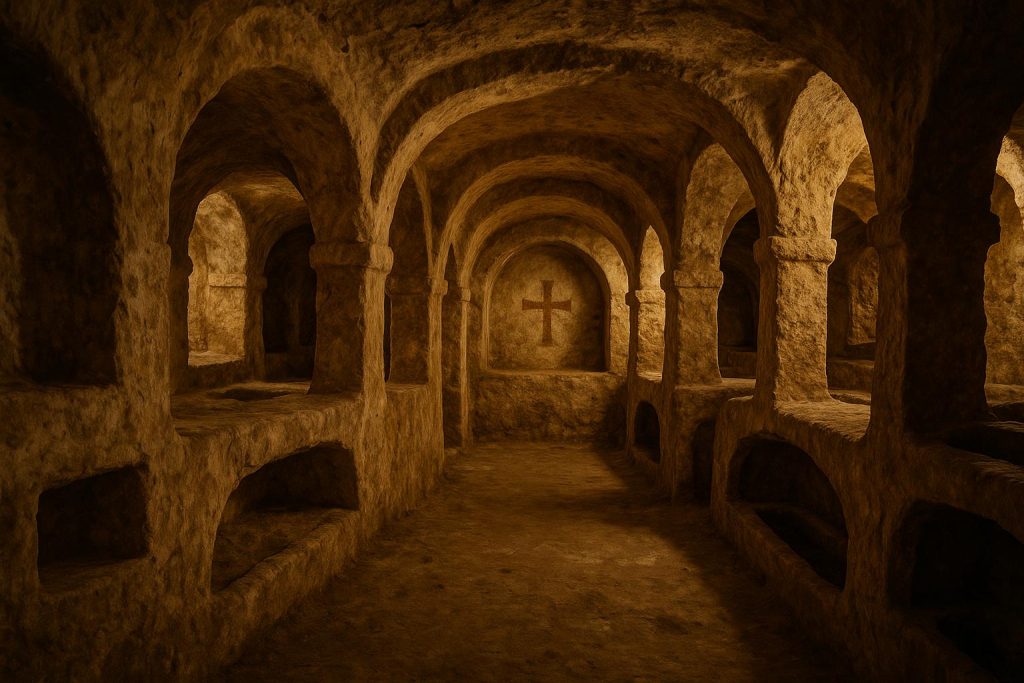
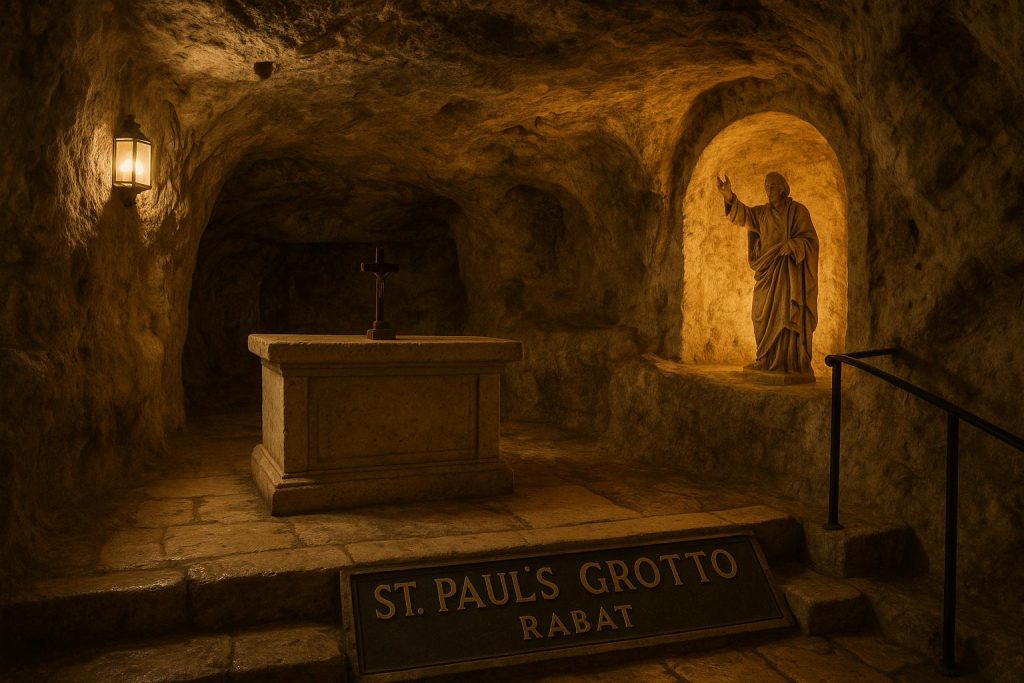
Situated amidst the rolling landscapes of Mellieħa, the Sanctuary is believed to trace its origins back to the early days of Christianity on the island. The fascinating legend associated with the sanctuary suggests that Saint Luke himself painted the effigy of the Madonna, a piece that remains central to the sanctuary today. Originally established as a cave church, the sanctuary has witnessed several architectural transformations over the centuries, evolving both in form and function while preserving its sacred essence.
Architectural Features
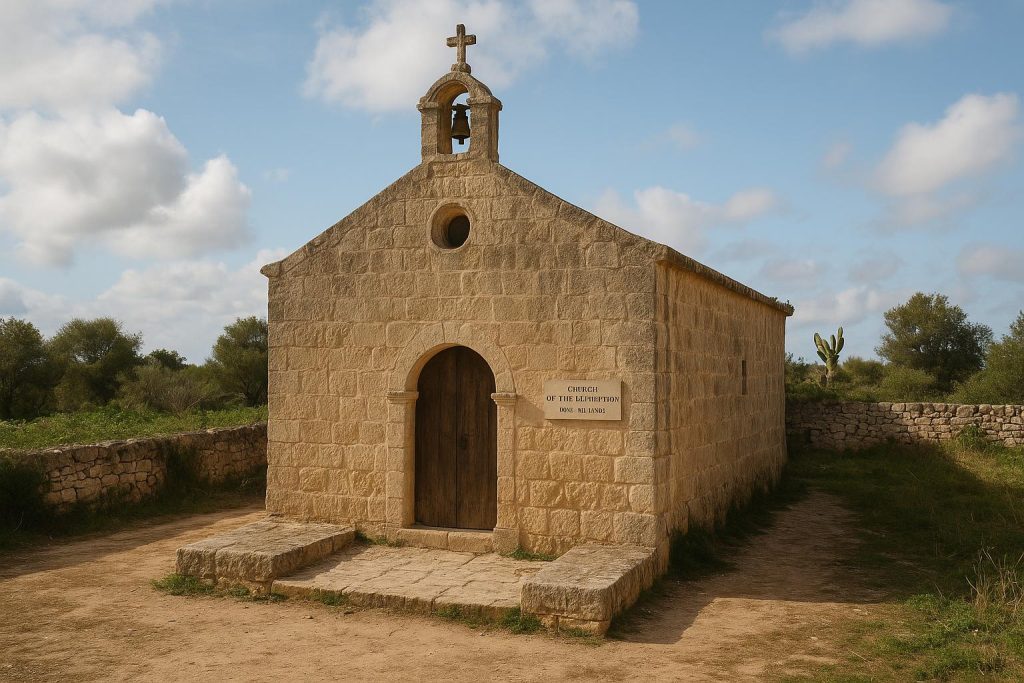
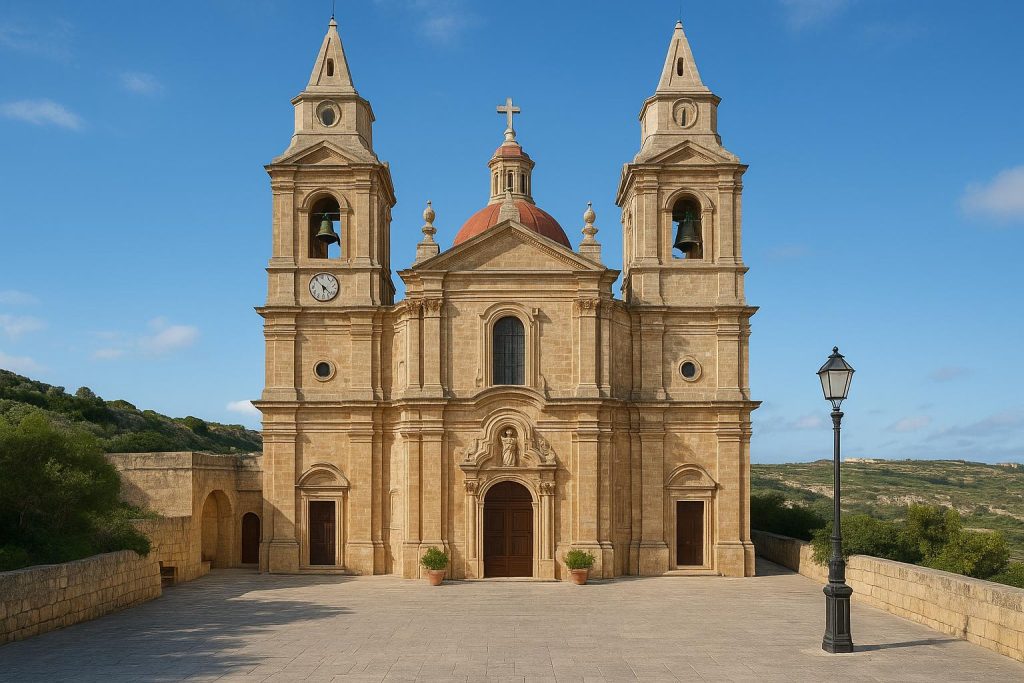
The Sanctuary of Our Lady of Mellieħa brilliantly exemplifies medieval architecture, complemented by subsequent Baroque enhancements. The exterior of the sanctuary is characterized by its simple yet dignified design, embodying the essence of sacred architecture. Inside, visitors are greeted by intricate decorations and a collection of religious artifacts that have been meticulously preserved. The revered painting of the Madonna and Child, which serves as the focal point of devotion, stands majestically within the sanctuary, attracting admiration and reverence from all who visit.
Religious Significance
The sanctuary holds a distinctive place in the hearts of the Maltese people, serving as a national shrine that underscores its religious importance. Regular religious ceremonies and pilgrimages take place, highlighting the sanctuary’s active role in the spiritual lives of the local community. The enduring belief in the sanctuary’s miraculous powers has cemented its status as an essential focal point of religious life in Malta, drawing believers and seekers alike to experience its profound spirituality.
Tourist Attraction
Apart from its profound religious significance, the Sanctuary of Our Lady of Mellieħa stands as a captivating tourist destination. Visitors are often enchanted by the serene atmosphere and the historical aura that permeates the sanctuary. The site presents an exceptional opportunity for individuals to uncover the rich cultural and religious history that defines Malta. For those interested in exploring the sanctuary and planning a visit, checking official resources or local tourist information centers is recommended to obtain details on visiting hours and guided tours.
Important Note: It is crucial to observe and respect the cultural and religious customs associated with this sacred site while visiting. Photography inside the chapel may be restricted, and visitors are advised to follow the guidelines established by sanctuary officials to ensure a respectful experience.
For those with a keen interest in the cultural history of Malta and its revered religious sites, the Sanctuary of Our Lady of Mellieħa offers invaluable insights and a uniquely enriching spiritual experience. The blend of historical depth and religious significance makes it a noteworthy destination, inviting visitors to embark on a journey of discovery and reflection in one of Malta’s most cherished sanctuaries.