
Overview
St. Julian’s, known as San Ġiljan in Maltese, is a prominent coastal town situated on the eastern part of the Maltese island. Recognized for its dynamic nightlife, exquisite bays, and flourishing tourism industry, St. Julian’s presents a harmonious blend of traditional Maltese culture intertwined with contemporary amenities. Its strategic geographical location enhances its appeal, making it a popular destination for both locals and international tourists.
Historical Context
Originally emerging as a modest fishing village, St. Julian’s has experienced significant transformation over the years. The town is named after its patron saint, Saint Julian, known as the protector of hunters. Historical documents reveal that substantial development in the area commenced prominently during the British colonial era. This period of governance laid the foundations for the town’s current urban landscape, contributing to its evolution into a modern urban center.
Development and Urbanization
The metamorphosis from a quaint fishing village into a bustling urban town is largely credited to strategic planning focused on urban development and promoting tourism as an economic engine. In contemporary times, St. Julian’s is characterized by a diverse mix of residential properties, commercial establishments, and entertainment centers. This urban tapestry illustrates a balance of work and pleasure for both residents and visitors.
Key Areas and Attractions
One of the most iconic districts within St. Julian’s is Paceville, renowned for its wide array of entertainment venues, including nightclubs, bars, and casinos. Paceville acts as the epicenter of nightlife activities, attracting a vast number of patrons each night.
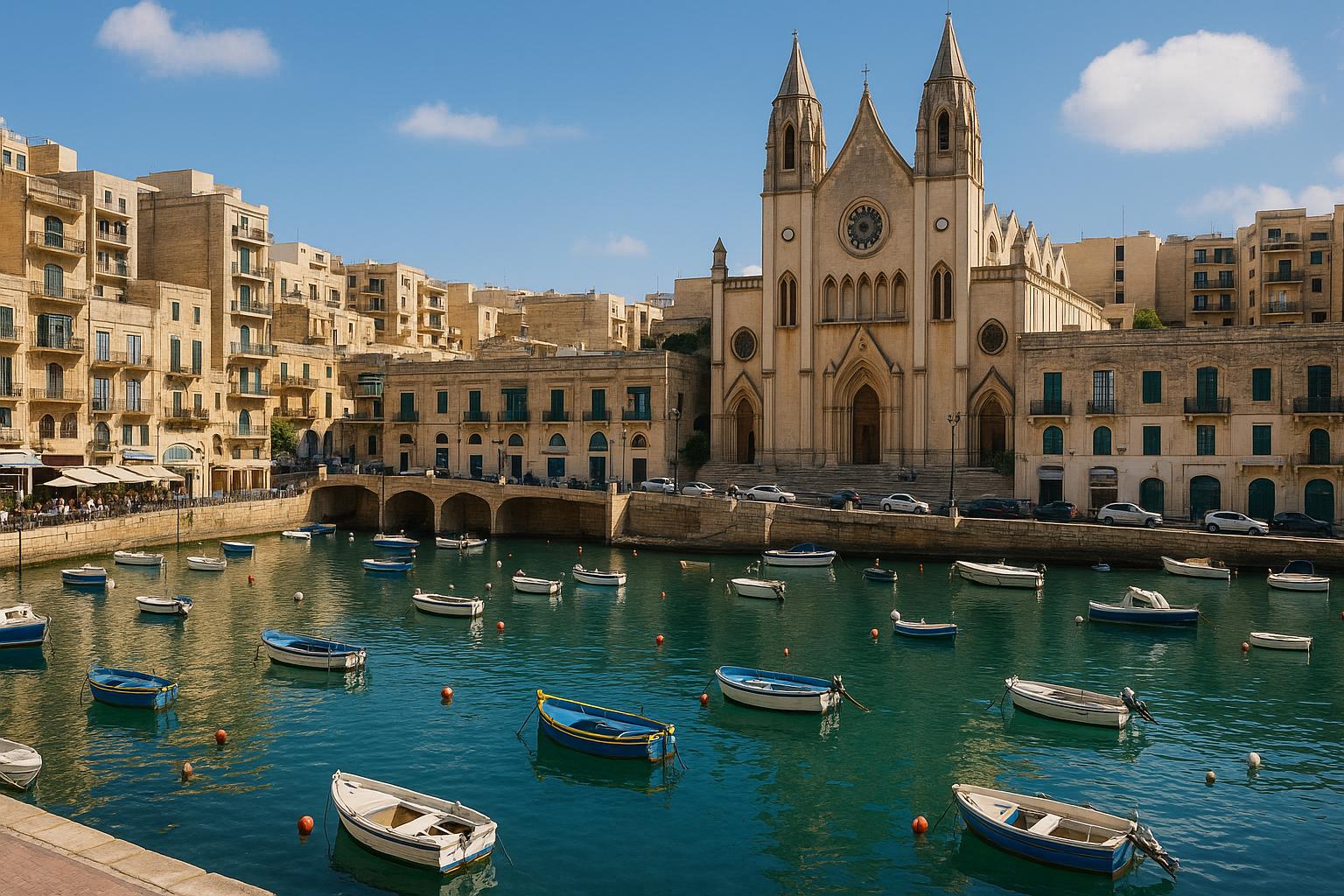
Equally significant is Spinola Bay, a picturesque area famous for its stunning views and traditional Maltese fishing boats known as luzzus. The bay is surrounded by numerous dining establishments, offering culinary delights with a special emphasis on seafood delicacies that reflect the area’s maritime heritage.
Cultural Significance
Despite extensive modernization, St. Julian’s retains aspects of its cultural heritage, reflected in its architectural landmarks like the Church of St. Julian. This church forms an integral part of the town’s spiritual heritage, connected to its namesake. Furthermore, various local festivals celebrated in the town help preserve Maltese cultural traditions, reinforcing community ties and cultural continuity.
Economic Aspects
St. Julian’s is a pivotal player in Malta’s economic framework, particularly in the tourism industry. The presence of esteemed international hotel chains, local businesses, and a variety of restaurants caters to the ongoing influx of tourists, ensuring that the town remains vibrant throughout the year.
Employment Opportunities
The thriving tourism and service sectors in St. Julian’s pave the way for numerous employment opportunities, especially in hospitality, retail, and leisure industries. The town has also observed a burgeoning digital industry, encouraged by Malta’s welcoming environment for technology-oriented enterprises. This diversification of opportunities supports both traditional jobs and emerging digital careers, contributing to the area’s economic resilience.
Real Estate and Infrastructure
The burgeoning demand for residential and commercial properties in St. Julian’s has been notable in the past few years. This demand is reflected in the increased number of high-rise apartment complexes and commercial centers. Accompanied by robust infrastructure, St. Julian’s supports an active urban lifestyle. The town is serviced by efficient public transportation networks and possesses convenient access to essential services, ensuring ease of movement and accessibility for all.
Environmental Considerations
In the wake of urban development, discussions and initiatives focusing on sustainable growth are constantly being evaluated. Efforts directed at maintaining public spaces, optimizing waste management systems, and enhancing green areas are actively prioritized by local councils. Balancing development with environmental stewardship ensures that St. Julian’s preserves its natural beauty while accommodating new growth.
Conclusion
St. Julian’s encapsulates a unique blend of historical allure and modern vivacity. Its emergence as a major hub for tourism and entertainment solidifies its position as a significant player in Malta’s economic and cultural landscape. Through its extensive offerings, St. Julian’s enriches the experiences of both visitors and residents, thereby making it a pivotal focal point of life on the island. Whether exploring its historical sites, enjoying its vibrant nightlife, or engaging with its cultural traditions, St. Julian’s presents a broad spectrum of engagements, firmly establishing itself as a dynamic and multifaceted town.