
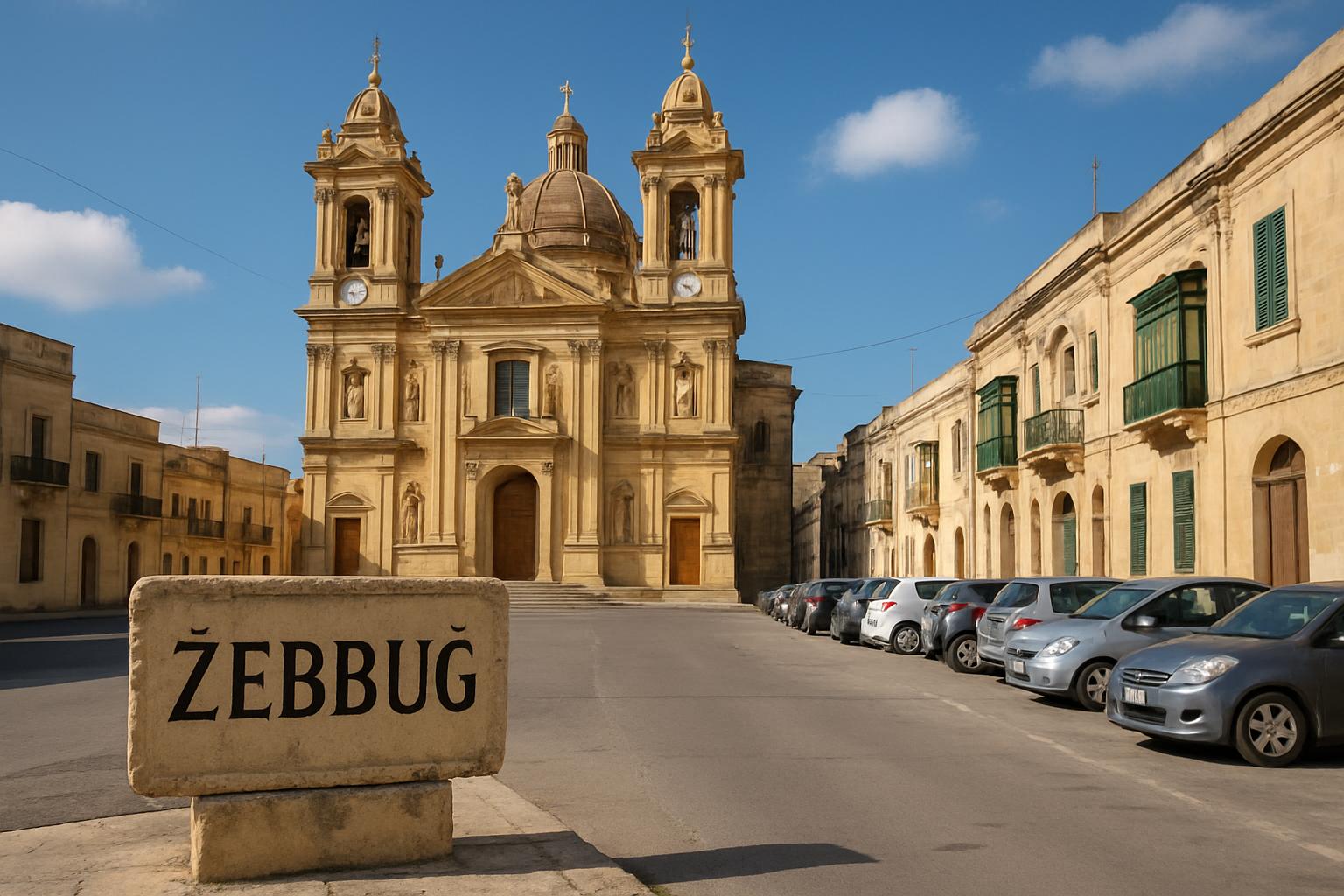
Introduction to Żebbuġ
Żebbuġ is a name shared by two localities in Malta, each with its own unique charm and history. One refers to Iz-Zebbuġ in mainland Malta, while the other designates Żebbuġ in Gozo. These towns have distinct characteristics but share some common cultural elements.
Żebbuġ in Malta
Żebbuġ in Malta is one of the oldest towns, with a rich history that dates back several centuries. Located in the central region of the main island, the town is often regarded as a hub of traditional Maltese culture and offers a variety of experiences for those interested in the past and traditions of the island.
Historical Significance: Żebbuġ is particularly renowned for its extensive history and architectural heritage. Walking through the town, one can encounter numerous historic buildings that have survived the test of time, marked by their intricate designs and unique stories. The town is home to well-preserved underground tunnels, which hint at its storied past. Historical residences of the nobility reflect the architectural progression through the ages. The parish church of St. Philip of Agira stands out as a landmark in the area, known for its exquisite baroque architectural style. This church is not just a spiritual center but also a repository of artistic treasures, attracting art historians and enthusiasts alike.
Cultural Events: Żebbuġ is famous for its vibrant festas — traditional Maltese festivals that celebrate patron saints. These festivals are cornerstones of the Maltese cultural calendar and Żebbuġ’s festas are no exception. The air is filled with the sound of music, and the sky is often a canvas for fireworks. These celebrations are marked by processions where locals take to the streets to partake in both religious and secular merriment. The community’s collective spirit is palpable during these times, offering tourists a chance to immerse themselves in authentic Maltese culture.
Żebbuġ in Gozo
In contrast, Żebbuġ in Gozo is a smaller, scenic village that offers a notable difference from the bustling atmosphere of Malta. Situated on a hill, it grants stunning views of Gozo and the Mediterranean Sea, providing a peaceful retreat.
Scenic Beauty: The village is renowned for the picturesque landscapes it offers. For those who enjoy outdoor activities, it is an ideal spot for hiking and photography. The natural environment here is relatively untouched, allowing visitors to experience the island’s flora and fauna in all their glory. The tranquility of the village is a draw for those looking to escape the more crowded tourist spots.
Local Craftsmanship: Żebbuġ in Gozo is equally celebrated for its traditional craftsmanship. The village is famous for its lace-making and pottery production, both of which carry forward the rich artisan traditions of the area. Visitors can explore local artisan shops that showcase these crafts. These crafts are not mere commodities but reflect the cultural identity and heritage of Gozo, each piece narrating its own story.
Connectivity and Transport
Both localities of Żebbuġ – in Malta and Gozo – offer good connectivity through public transportation. This makes them accessible to travelers who wish to explore the Maltese archipelago without the need for a car. Regular buses connect Żebbuġ in Malta to Valletta and other major towns. For those traveling to Gozo, the frequent ferry services from Malta mean that reaching Żebbuġ in Gozo is convenient. The public transport system provides an affordable and reliable way to experience the breadth of what these towns have to offer.
For more information about visiting Malta and its cultural attractions, consider checking the official Visit Malta tourism portal.
Conclusion
Żebbuġ, whether in Malta or Gozo, offers a unique glimpse into the traditional and historical aspects of Maltese life. Its cultural events, historical landmarks, and local craftsmanship make it a compelling destination for anyone interested in exploring the rich heritage of Malta. Visitors can appreciate not only the aesthetic and historical value of these towns but also the living culture that continues to thrive. The experiences offered in these two localities are multifaceted, encompassing both lively celebrations and quiet reflections, capturing the essence of Maltese culture in all its dimensions.